For Nigerian contractors, equipment dealers and project buyers, choosing the right self loading concrete mixer is mainly about matching site conditions, concrete volume, mobility and long-term support. Road work, housing projects, rural construction, drainage, farm infrastructure and small commercial jobs often need concrete production close to the pour area, especially when ready-mix supply is not convenient or when the project moves between sites.
Thank you for reading this post, don't forget to subscribe!
XQ Machinery supplies a 0.8-5.0 m3 self loading concrete mixer range from Shandong, China. This guide explains how Nigerian buyers can compare capacity, 4WD mobility, weighing, water supply, discharge method, spare parts and supplier support before requesting a quotation. It also links to the full self loading concrete mixer range, the complete buying guide, the working principle guide and the comparison with traditional mixers.
Need a suitable model for your Nigeria project? Send your project type, expected daily concrete output and destination port to receive a model recommendation and quotation.
Why Self Loading Concrete Mixers Are Useful in Nigeria
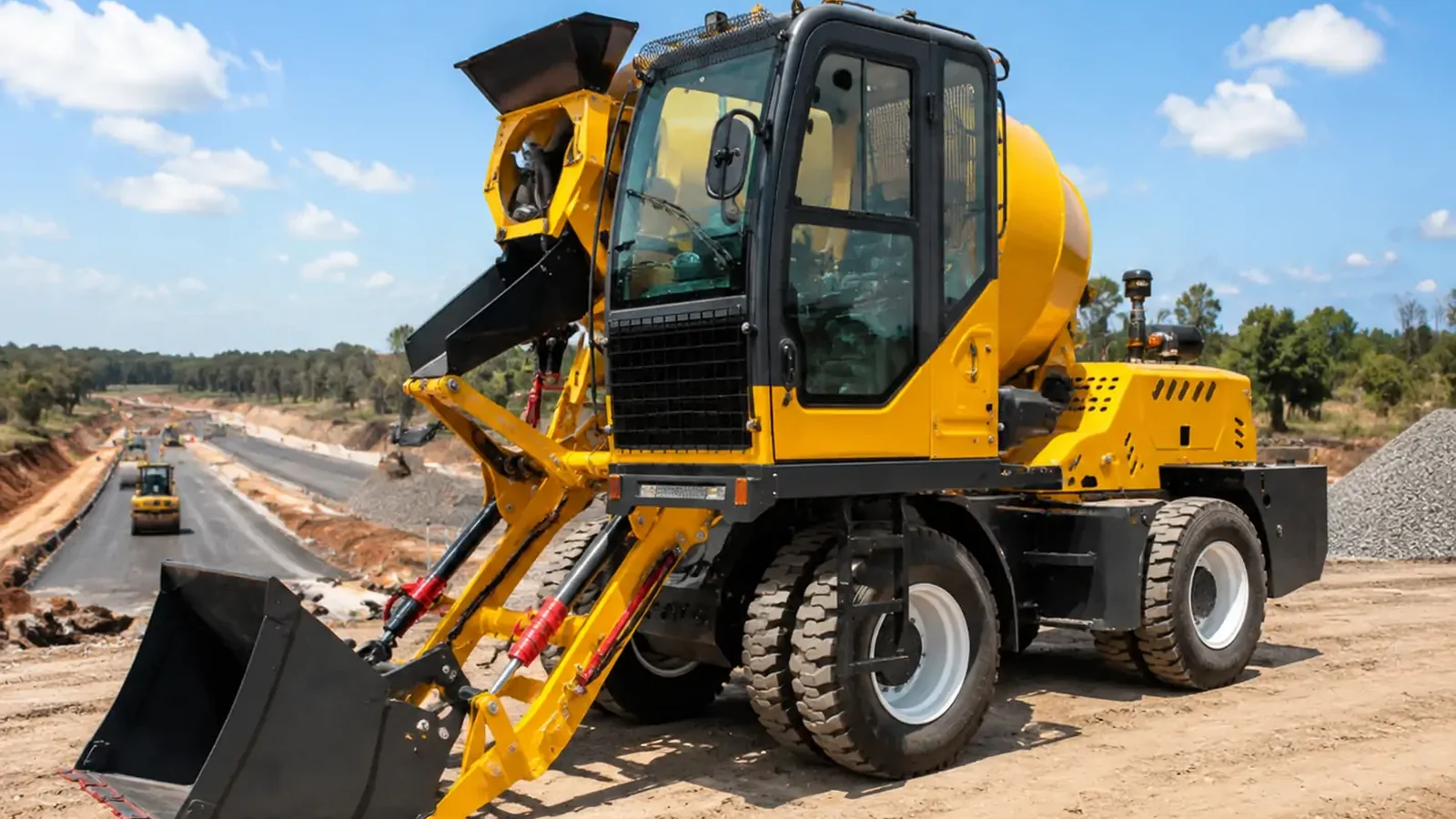
A self loading concrete mixer combines loading, metering, mixing, transport and discharge in one mobile machine. For Nigeria, this can be useful because many projects are spread across road sections, housing plots, rural sites or yards where a fixed batching plant may not be practical.
Instead of arranging a wheel loader, concrete mixer, transport truck and extra workers for every small batch, one trained operator can load aggregate, add cement and water, mix on site, drive to the pour point and discharge concrete. This reduces coordination work and can help contractors keep production flexible when jobsite conditions change.
For buyers comparing a self loading concrete mixer for sale in Nigeria, the most important value is not only the machine price. The stronger question is whether the mixer can reduce waiting time, improve jobsite mobility and keep concrete production under the contractor’s own control.
Common Applications in Nigerian Construction Projects
Self loading mixers are often considered for road maintenance, rural road construction, drainage channels, residential foundations, small bridges, commercial buildings, farm construction and utility projects. These projects may not require a large central batching plant every day, but they still need reliable concrete output.
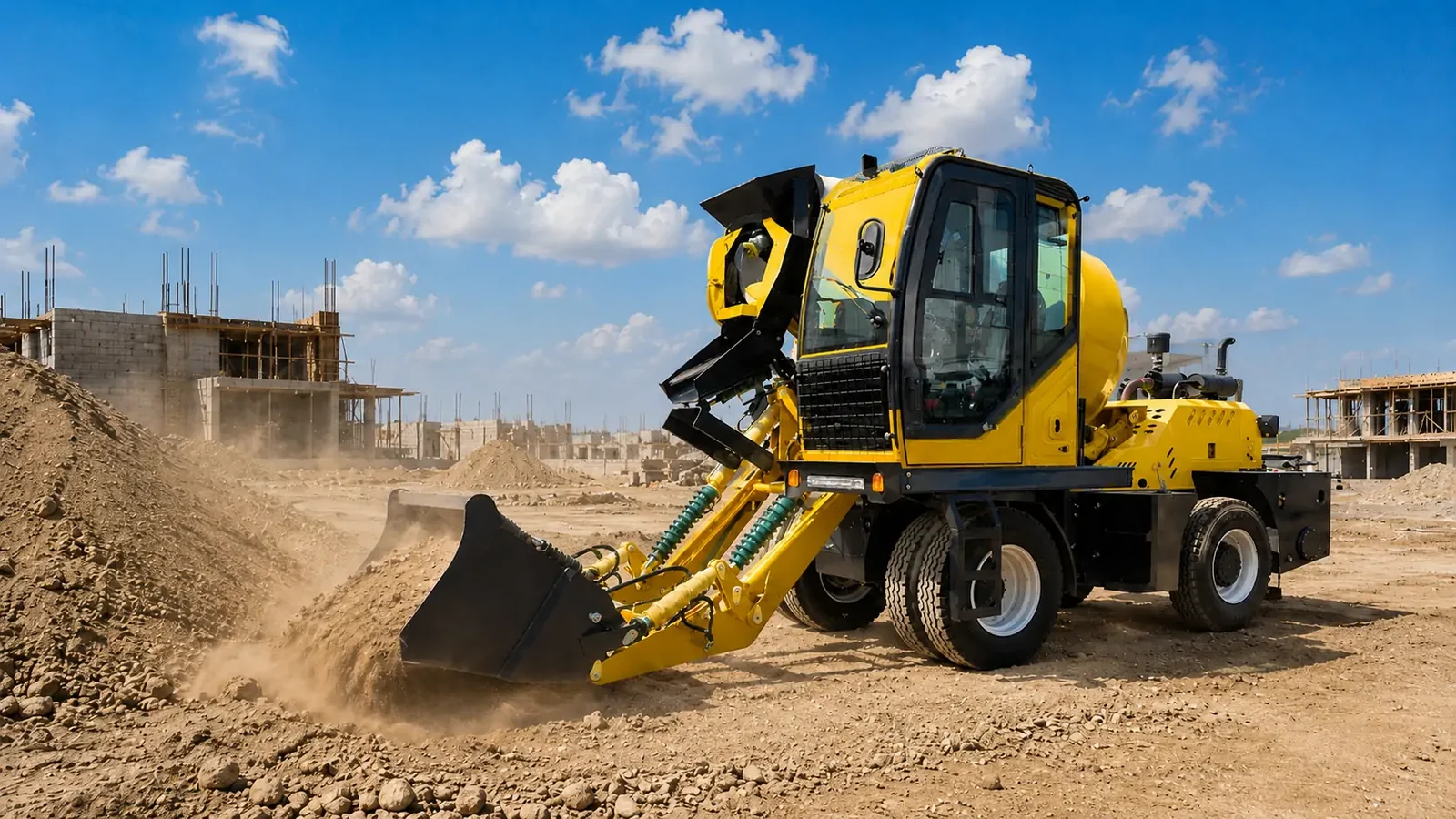
For road construction, the mixer can move along different sections and produce batches close to the work area. For housing and rural building projects, a compact or medium capacity model can support foundations, columns, slabs and site concrete without waiting for ready-mix delivery. For dealers, stocking the right capacity range can help serve contractors who need flexible construction equipment in Nigeria.
The machine is not intended to replace every traditional concrete batching solution. On very high-volume urban projects, a fixed batching plant and transit mixer fleet may still be better. But for mobile, scattered or medium-volume work, a self loading concrete mixer can be a practical equipment choice.
What Capacity Should You Choose?
XQ Machinery’s current self loading concrete mixer range covers 0.8 m3 to 5.0 m3 discharge capacity. Smaller models are easier to move and can suit tighter jobsites, while larger models are built for higher output and heavier daily work.
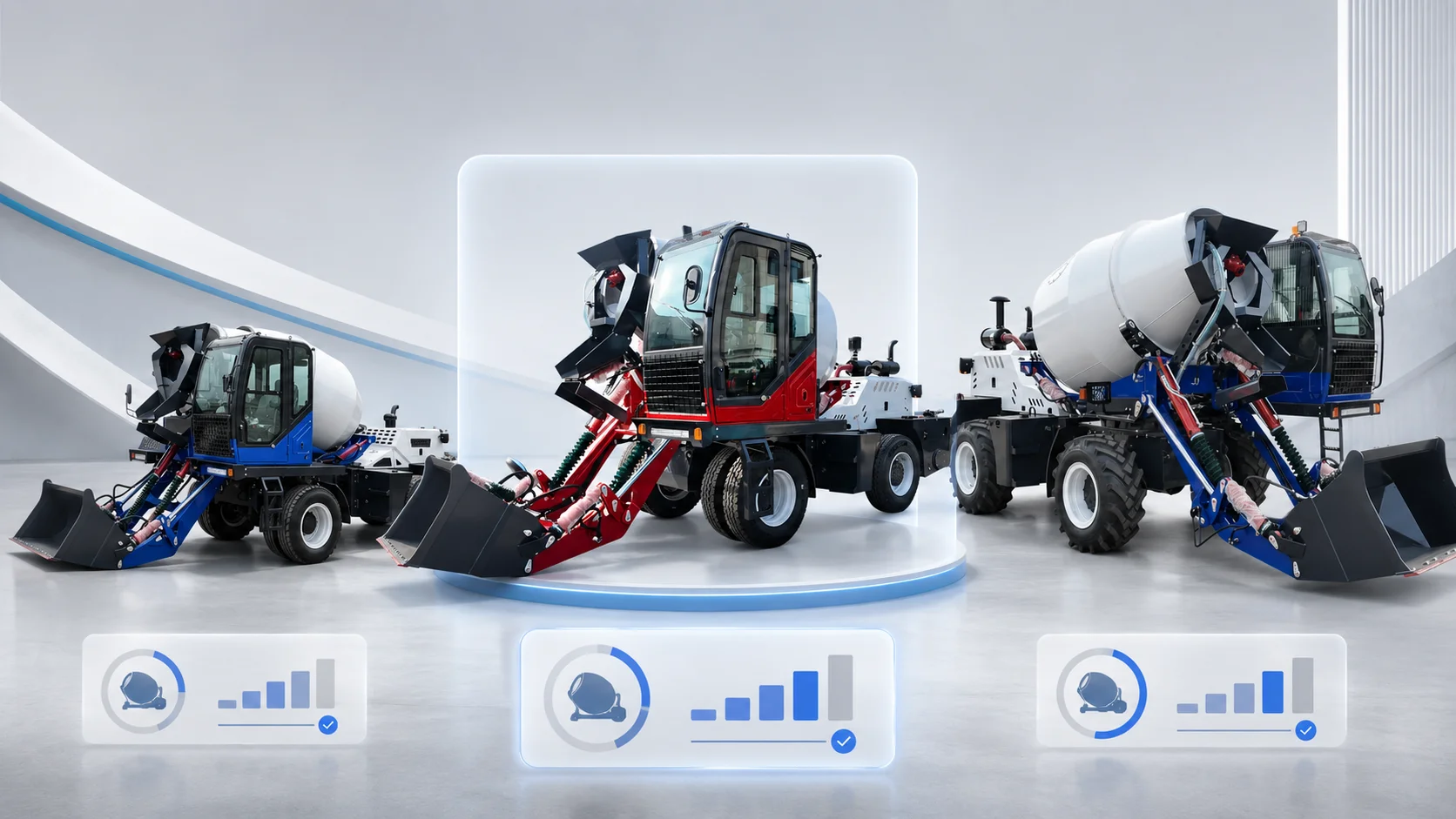
For many Nigerian contractors, 2.6 m3, 3.5 m3 and 5.0 m3 are the most relevant comparison points:
| Model range | Typical use case | Buyer consideration |
|---|---|---|
| 2.6 m3 class | Housing, rural construction, medium site work | Good balance between mobility and output |
| 3.5 m3 class | Road work, commercial building, higher daily output | More capacity while keeping mobile operation |
| 5.0 m3 class | Larger infrastructure or heavier contractor use | Higher batch volume and stronger configuration needs |
The XQ-SM260 2.6 m3 self loading concrete mixer can be considered where mobility and medium output are both important. The XQ-SM350 3.5 m3 self loading concrete mixer is suitable for buyers who need more output for road or building projects. The XQ-SM500 5.0 m3 self loading concrete mixer is the heavy-duty option for contractors who need a larger batch size.
Key Features Nigerian Buyers Should Check
Capacity is only one part of the purchase decision. Nigerian buyers should also check the drive system, tires, engine, water system, weighing method, discharge design and parts support.
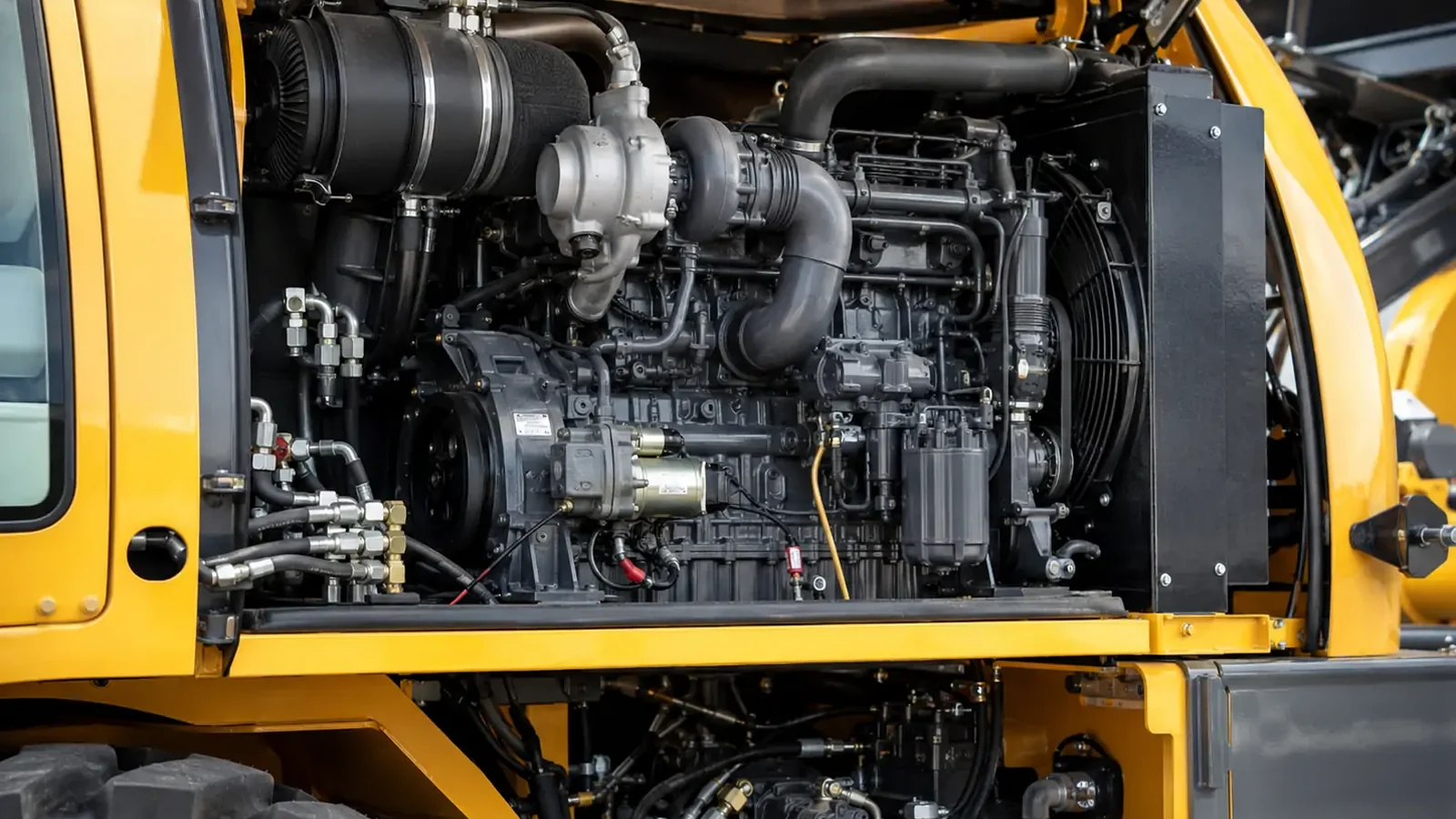
Important points include:
- Full-time 4WD for rough, muddy or uneven construction sites.
- Suitable tire size and ground clearance for outdoor work.
- Electronic weighing system if the project needs better batch control.
- Timed water intake system and enough water tank capacity for site mixing.
- 270 degree slewing discharge on 2.0 m3 and larger models for flexible pouring.
- High-pressure cleaning system on larger models to simplify daily maintenance.
- A realistic spare parts plan for filters, hydraulic parts, wear items and tires.
Before ordering a mobile concrete mixer in Nigeria, buyers should send project details, site photos if available, expected daily concrete volume and preferred shipping terms to the supplier. This helps avoid choosing a model that is too small, too large or difficult to maintain.
Self Loading Mixer vs Traditional Mixer in Nigeria
A traditional concrete mixer or concrete mixer truck in Nigeria can still be a good choice when a project has a stable batching plant, predictable supply and large continuous pours. The advantage of the traditional system is high-volume centralized production.
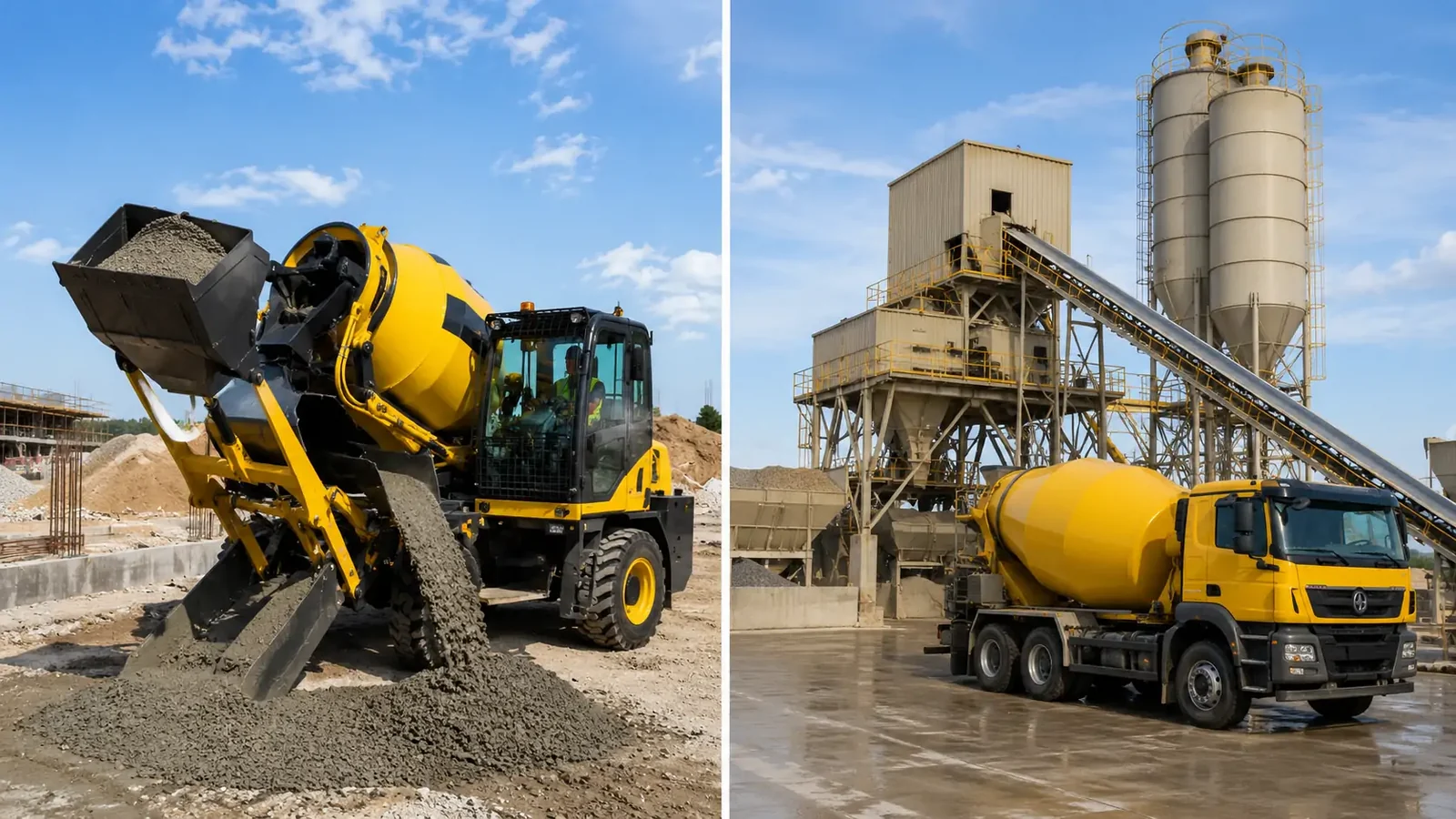
A self loading mixer is different. It is designed for flexible on-site batching. It can load raw materials, mix concrete and move around the jobsite without relying on a separate loader or batching plant. This can be useful when projects are scattered, concrete volume changes by day, or delivery access is limited.
The best choice depends on the project. If the job requires constant high-volume concrete from a fixed location, a batching plant system may be better. If the job needs flexible concrete production across road sections, rural areas or multiple small sites, a self loading mixer may be more practical. Buyers can review the full self loading concrete mixer vs traditional mixer comparison before deciding.
How to Choose a Reliable Supplier from China
When choosing a China self loading concrete mixer supplier, Nigerian buyers should look beyond the first quoted price. The supplier should be able to explain model selection, technical specifications, loading plan, spare parts, shipping documentation and after-sales communication.
Useful checks include:
- Does the supplier provide clear capacity, engine, tire, axle and weight specifications?
- Can the supplier explain which model fits road, housing or rural construction?
- Are product photos, videos and configuration details available?
- Can spare parts be shipped after purchase?
- Does the supplier support WhatsApp, email or video communication for technical questions?
- Are payment terms, production time and shipping terms clearly stated in the quotation?
For B2B buyers and dealers, the best supplier is not just a seller. It should be a technical partner that helps reduce purchase risk and supports future service.
Import, Shipping and After-Sales Considerations for Nigeria
Import details can change, so Nigerian buyers should always confirm final requirements with a local customs broker or freight forwarder before shipment. In general, the buyer and supplier need to confirm machine specification, HS code guidance, invoice, packing list, bill of lading, destination port and shipping terms such as FOB, CIF or EXW.
Lagos and other Nigerian ports may be considered depending on the buyer’s location and logistics plan. Shipping cost, transit time, customs clearance and inland transportation should be included when comparing suppliers. A low machine price is not enough if the quotation does not clarify shipping support or after-sales parts.
For after-sales support, buyers should prepare a list of common spare parts with the supplier before shipment. Critical filters, hydraulic seals, sensors and wearing parts can reduce downtime when the machine starts working. XQ Machinery can provide export support and model advice through the contact page.
Recommended XQ Machinery Models for Nigeria
For Nigeria, the most practical model choice depends on project scale.
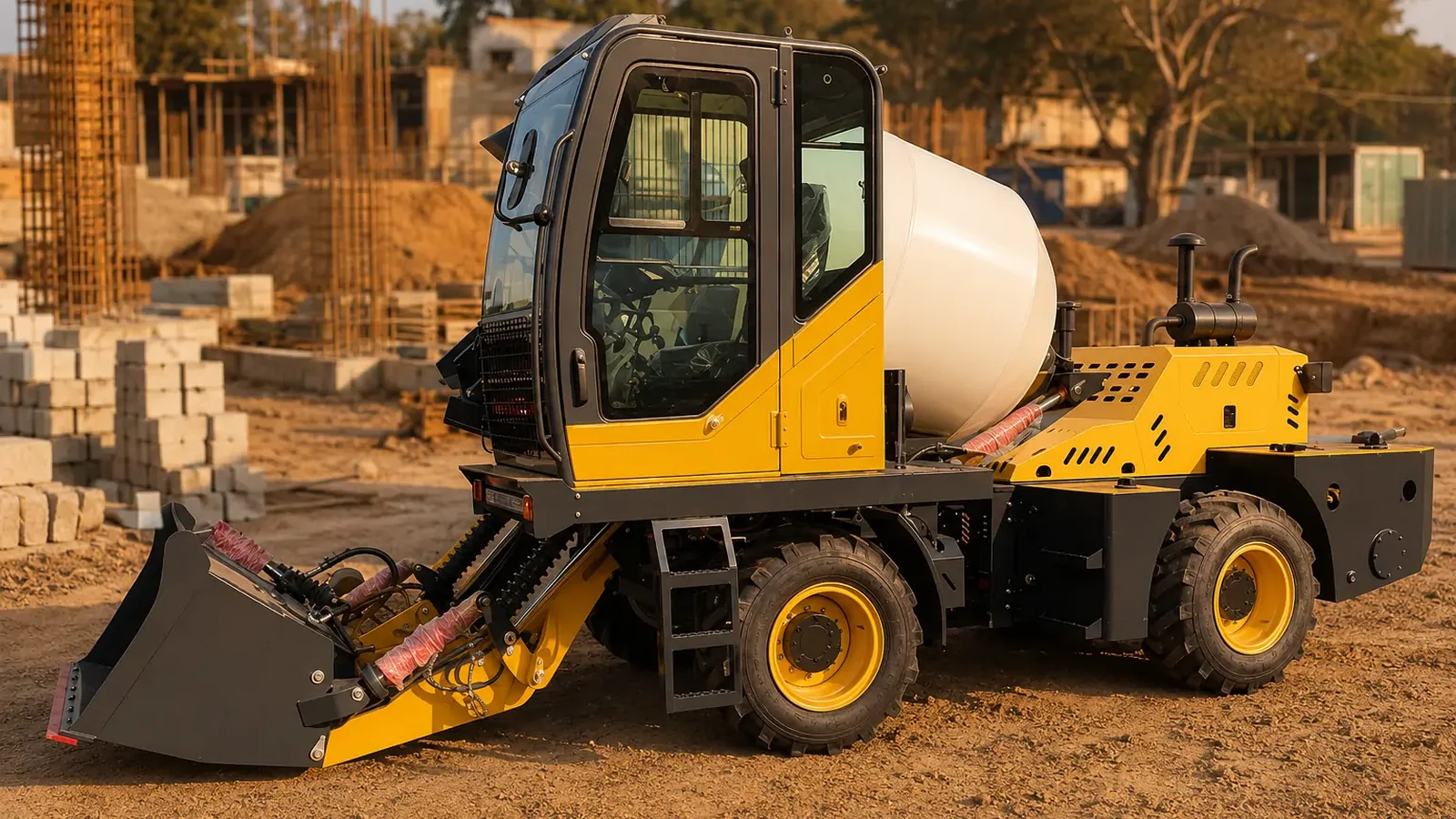
The XQ-SM260 2.6 m3 model can fit contractors who need a mobile mixer for housing, small road work and medium construction sites. It uses full-time 4WD, a 3.95 m3 tank volume, a 750 L water tank and a 0.65 m3 bucket. It is a balanced option for buyers who need mobility without moving to the largest machine.
The XQ-SM350 3.5 m3 model is a stronger choice for higher daily output. It uses a 5.5 m3 tank volume, 850 L water tank, full-time 4WD and 270 degree slewing support. This makes it suitable for road work, building projects and dealers who want a popular mid-to-large capacity option.
The XQ-SM500 5.0 m3 model is suitable for heavy-duty contractors who need a larger batch size. It uses an 8.28 m3 tank volume, 1100 L water tank, larger tires, full-time 4WD and 270 degree slewing support. Buyers should consider transport route, site space and operator training before choosing this capacity.
For buyers still comparing size, the general self loading concrete mixer buying guide explains capacity selection in more detail.
If your project is located in West Africa, you may also want to read our self loading concrete mixer in Nigeria guide, which explains capacity selection, key features, supplier factors and model recommendations for Nigerian contractors and dealers.
For Nigerian buyers comparing different quotations, our self loading concrete mixer price guide can help you understand how capacity, machine configuration, shipping terms and spare parts support affect the final purchase cost.
FAQ
What is the best self loading concrete mixer capacity for Nigeria?
Many contractors compare 2.6 m3, 3.5 m3 and 5.0 m3 models first. A 2.6 m3 model is useful for flexible medium projects, a 3.5 m3 model suits higher daily output, and a 5.0 m3 model is better for heavy-duty work. The best choice depends on daily concrete volume, site access, road conditions and budget.
Can I buy a self loading concrete mixer from China for Nigeria?
Yes. Nigerian buyers can source a self loading concrete mixer from China, but they should confirm specification, shipping terms, documentation and customs requirements before ordering. A supplier should provide clear model data, photos, production details and after-sales parts support.
Is a self loading mixer better than a traditional concrete mixer truck?
It depends on the project. A traditional concrete mixer truck works well with a fixed batching plant and high-volume supply. A self loading mixer is better for flexible on-site batching, moving between work areas and producing concrete where ready-mix delivery is difficult.
Do self loading concrete mixers need 4WD in Nigeria?
For many outdoor construction sites, 4WD is strongly recommended. It helps the mixer move on rough, muddy or uneven ground. Buyers should also check tire size, axle configuration, ground clearance and the expected site condition before choosing a model.
How can I get a quote for Nigeria?
Prepare the required capacity, project type, destination port, preferred shipping term and any optional features such as electronic weighing or air conditioning. Then contact XQ Machinery for a model recommendation and quotation.
Get Catalog and Quote for Nigeria
If you are comparing a self loading concrete mixer in Nigeria for road construction, housing, rural work or dealer stock, XQ Machinery can help you compare suitable models and export configurations.
Send your project details through the XQ Machinery contact page. Please include your expected daily concrete output, project type, destination city or port, preferred model capacity and any required options. Our team will provide a catalog, configuration suggestion and quotation based on your actual requirements.