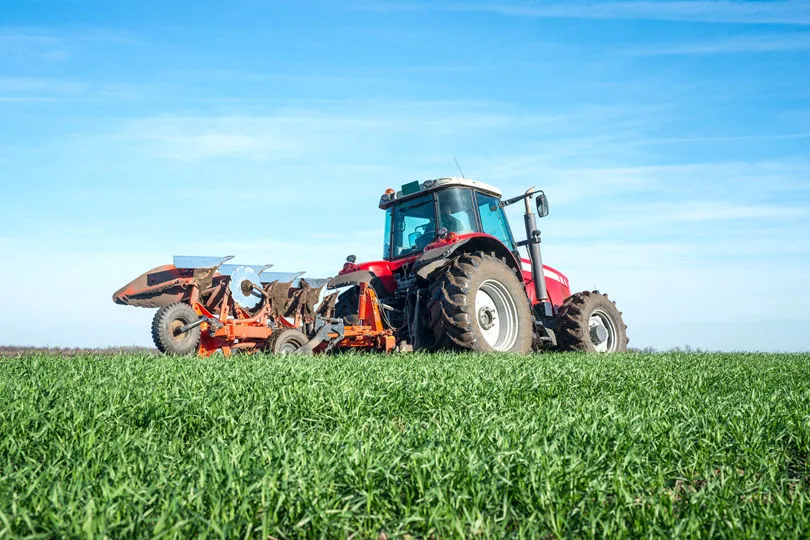
If you are in the agricultural machinery distribution business, you’ve probably noticed a major shift over the past few years. Walk into a farm in South America, or look across the vast agricultural plains of Central Asia, and you’ll see an increasing number of Chinese farm tractors doing the heavy lifting.
But why the sudden surge? Are buyers just chasing the lowest price, or is there something more?
As we move deeper into 2026, the perception of “Made in China” agricultural machinery has completely evolved. It’s no longer just about cost; it’s about reliable performance, rapid upgrades, and meeting farmers exactly where they are.
Here is a realistic look at the core advantages of Chinese farm tractors and why they are becoming the top choice for importers worldwide.
1. Unbeatable ROI (Return on Investment)
Let’s address the elephant in the room: price. Yes, Chinese tractors are significantly more affordable than their European or American counterparts. But for modern farm owners, the real metric is ROI.
When a farmer in Africa or Southeast Asia needs to expand their operations, tying up massive amounts of capital in a single, over-engineered premium tractor doesn’t always make business sense. Chinese manufacturers offer equipment that delivers 90% of the premium brand’s capability at half the cost. This allows distributors to offer competitive retail prices while maintaining healthy profit margins.
2. Rugged Durability Without the “Tech Bloat”
One of the biggest frustrations farmers face today with high-end Western tractors is the over-reliance on complex computer systems. If a sensor fails in the middle of a harvest, the machine shuts down, and you have to wait days for a specialized technician with a laptop to fix it.
Chinese tractors take a different approach. They prioritize mechanical reliability over unnecessary tech bloat.
- Easy to Repair: Mechanics in rural areas can easily understand and fix these engines.
- Accessible Parts: Replacement parts are standardized, affordable, and easy to source globally.Whether you are dealing with the humid, muddy rice paddies of Southeast Asia or the dry, unforgiving soils of Africa, these machines are built to take a beating and keep running.
3. High Customization for Diverse Global Terrains
Chinese manufacturers are incredibly flexible. Unlike legacy brands that force a “one-size-fits-all” model onto buyers, Chinese factories are willing to customize orders based on regional needs.
- For Central Asia: You can order heavy-duty 4WD models with enclosed cabins and powerful heating systems for cold-weather farming.
- For South America: Manufacturers can easily adjust PTO (Power Take-Off) speeds, hitch types, and tire specifications to match local row-crop implements.
- For Tropical Climates: You can request ROPS (Roll-Over Protective Structures) with sunshades instead of full cabins to keep costs down and ventilation high.
4. Rapid Improvements in Manufacturing Quality
If your impression of Chinese machinery is stuck in 2015, it’s time for an update. By 2026, China’s supply chain integration is unmatched. Factories are using automated laser cutting, robotic welding, and advanced electrophoresis painting techniques. The fit and finish, transmission smoothness, and fuel efficiency of top-tier Chinese tractors are now competing directly with established global brands.
The Bottom Line for Importers
Importing Chinese farm tractors is no longer a “budget alternative”; it is a strategic business decision. By offering reliable, mechanically sound, and highly adaptable machinery, you empower local farmers to grow their businesses without drowning in debt.
If you’re looking to source reliable agricultural machinery that fits your local market’s exact needs, the key is partnering with the right supplier who understands international trade, quality control, and after-sales support.